Contract Management Process on Procurement Management: Securing Smooth Transactions and Minimizing Risk
Contracts are a critical part of the procurement cycle. They define the terms and conditions of a transaction, and they help to ensure that both parties are aware of their obligations.
Contracts can also help to minimize disputes and to resolve problems that may arise during the course of a transaction.
Procurement Management: A Four-Stage Cycle Orchestration
Planning:
The procurement cycle commences with planning, where the need for a specific product or service is identified, and a comprehensive plan is formulated for its acquisition. This stage involves:
- Identifying the specific need, including its purpose, specifications, and quantity.
- Estimating the budget and timeline for procurement.
- Researching potential suppliers and market conditions.
- Defining the procurement strategy and evaluation criteria.
Sourcing:
The sourcing stage focuses on identifying potential suppliers who can meet the established requirements. This involves:
- Shortlisting and contacting relevant suppliers.
- Issuing a formal Request for Proposal (RFP) outlining the desired product or service, specifications, and evaluation criteria.
- Receiving and reviewing proposals from potential suppliers.
Evaluation:
The received proposals are carefully evaluated to select the most suitable supplier. This stage involves:
- Analyzing proposals based on pre-defined evaluation criteria, including price, quality, delivery time, track record, and qualifications.
- Conducting supplier due diligence to assess their capabilities and financial stability.
- Negotiating terms and conditions with the shortlisted supplier(s).
Contracting:
Once the best supplier is selected, the procurement cycle culminates in contracting. This stage involves:
- Formally negotiating and finalizing a contract with the chosen supplier.
- The contract clearly defines the terms and conditions of the transaction, including price, quality specifications, delivery schedule, payment terms, warranty, and dispute resolution mechanisms.
- Both parties sign the contract, signifying their agreement and commitment to its terms.
The Importance of Contracts in Procurement
Contracts are important in procurement for a number of reasons:
- Define the terms and conditions of a transaction: Contracts define the rights and obligations of both parties to a transaction. This helps to ensure that both parties understand what is expected of them, and that there are no surprises down the road.
- Minimize disputes: Contracts can help to minimize disputes by clearly defining the terms and conditions of a transaction. This can help to prevent misunderstandings and disagreements, and it can make it easier to resolve any disputes that do arise.
- Resolve problems: If a problem does arise during a transaction, a contract can help resolve the problem by providing a framework for negotiation and dispute resolution.
Best Practices for Contract Management Process in Procurement
There are several best practices for contract management in procurement. These include:
- Create a contract management process: A contract management process will help to ensure that contracts are managed in a timely and efficient manner. The process should include steps for identifying contracts, negotiating contracts, monitoring contracts, and closing contracts.
- Have a clear understanding of contracts: Make sure that you understand the terms and conditions of each contract, as well as your rights and obligations under the contract.
- Monitor contracts: Keep track of the performance of your contracts and make sure that both parties are meeting their obligations.
- Take action if necessary: If a contract is not being performed as agreed, take action to remedy the situation. This may involve mediation, arbitration, or litigation.
Empower Your Contract Management Journey with Kemisoft: Discover the Difference Today!
Contracts are a critical part of the procurement cycle. They define the terms and conditions of a transaction, and they help to ensure that both parties are aware of their obligations. Contracts can also help to minimize disputes and resolve problems that may arise during a transaction.
By following the best practices for contract management in procurement, you can help to ensure that your contracts are managed effectively and that you get the most out of your contractual relationships.
NEXT STEPS
Kemisoft Group is a Certified Salesforce and Nintex ISV Partner, enabling us to work with organizations in a range of different industries to help them streamline their contract lifecycle management processes, thus having a positive impact on the procurement cycle.
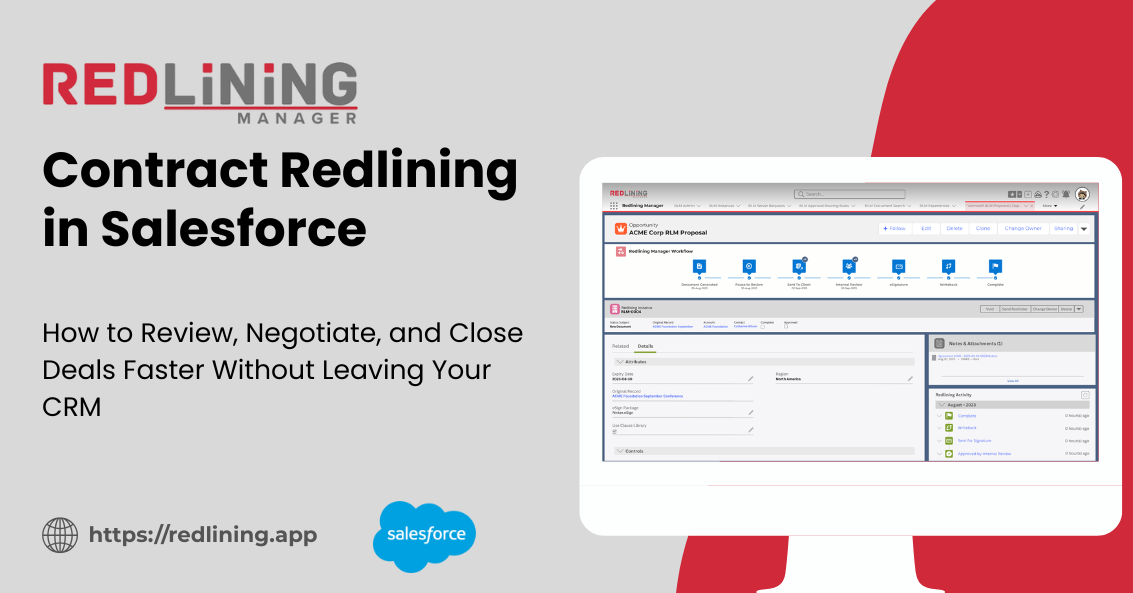
Kemisoft has also developed RedLining Manager, our innovative contract redlining solution.
If you’d like to explore how Kemisoft can help your organization thrive in the contract management space, visit our website at http://www.kemisoft.com or contact our Business Development Team at chris.roos@kemisoft.com